Once again this year, we – Susi and Manu – set off to Kenya for a reality check. We wanted to see with our own eyes how the projects are developing. Of course, we are also interested in the impact that our projects have on the longer-term development of the individual communities.
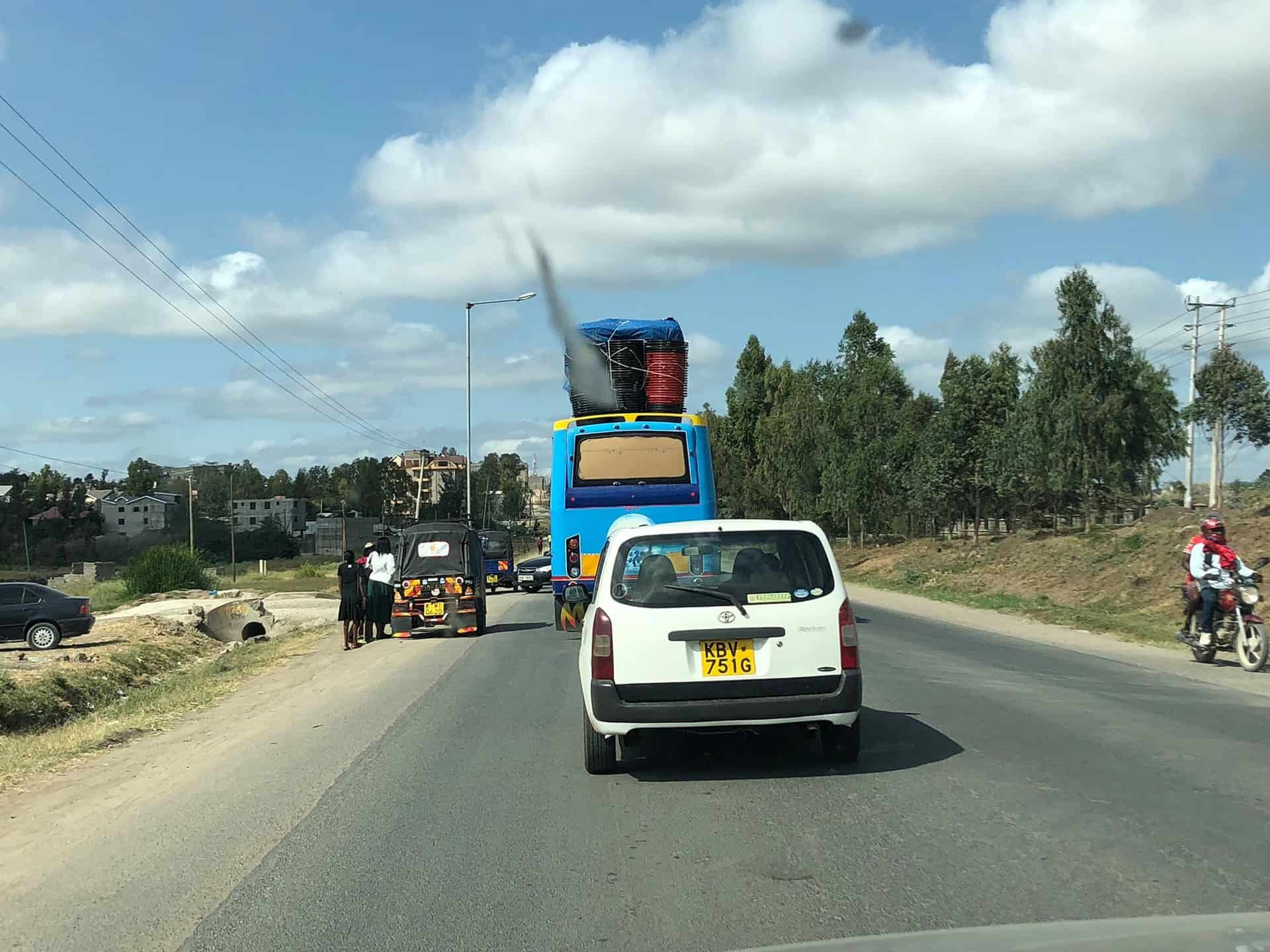
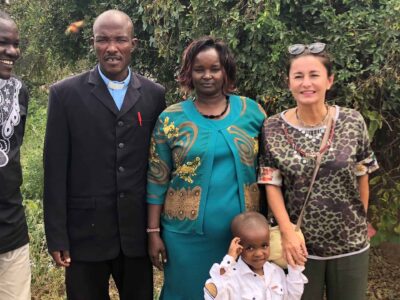
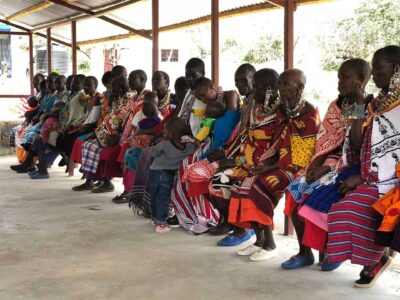
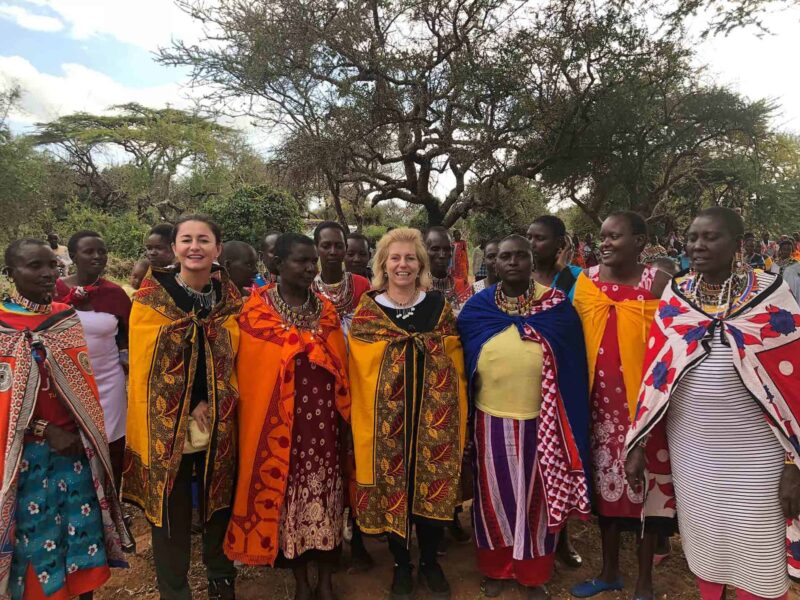
We didn’t really know what to expect and were therefore very excited. There was a very good atmosphere in Olpirikata. As we arrived on a Sunday and therefore the extended mass ceremonies were dispensed with especially because of us, we couldn’t avoid some relatively long sermons by lay priests. It was a very warm welcome.
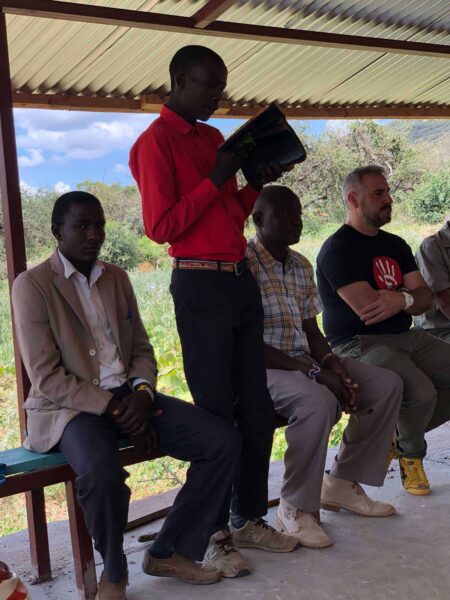
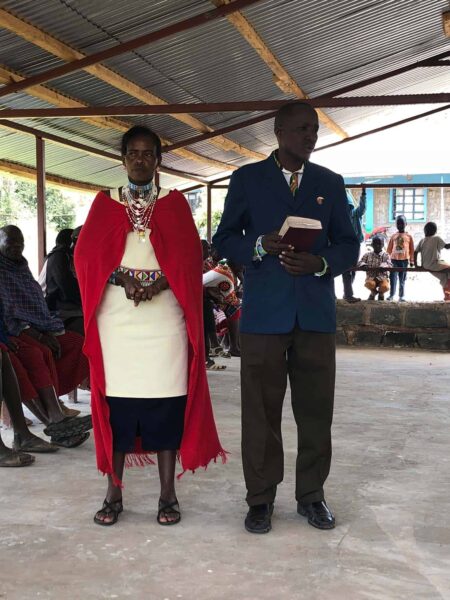
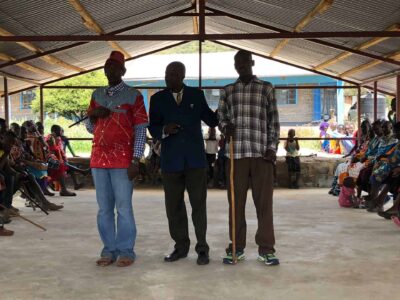
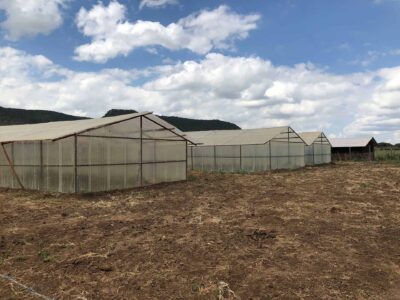
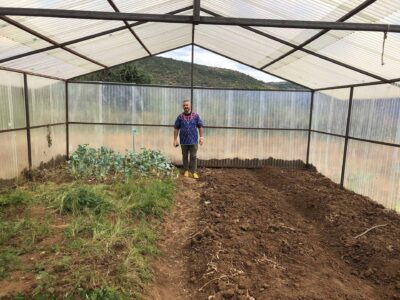
After this welcoming ceremony, we immediately visited the farm – the Acacia Camp, as it is called by the locals. The local Maasai people had donated a total of 18 hectares of land for this project. On this land there is now a stable for 20 cows, three greenhouses, several vegetable fields, a large fenced pasture for the cows, a chicken coop with 250 chickens and 500 aloe vera plants. The greenhouses are necessary because there is often a strong wind in the savannah, which particularly endangers the young and sensitive vegetable plants.
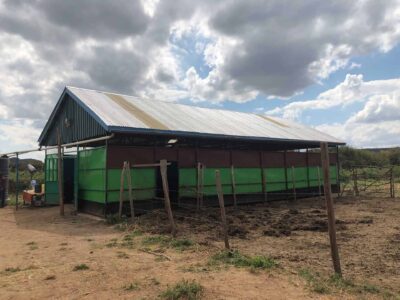
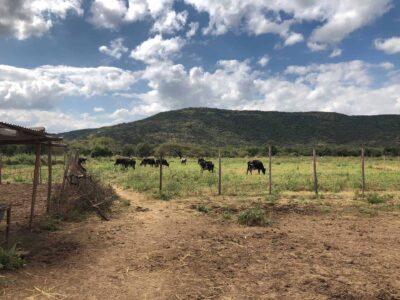
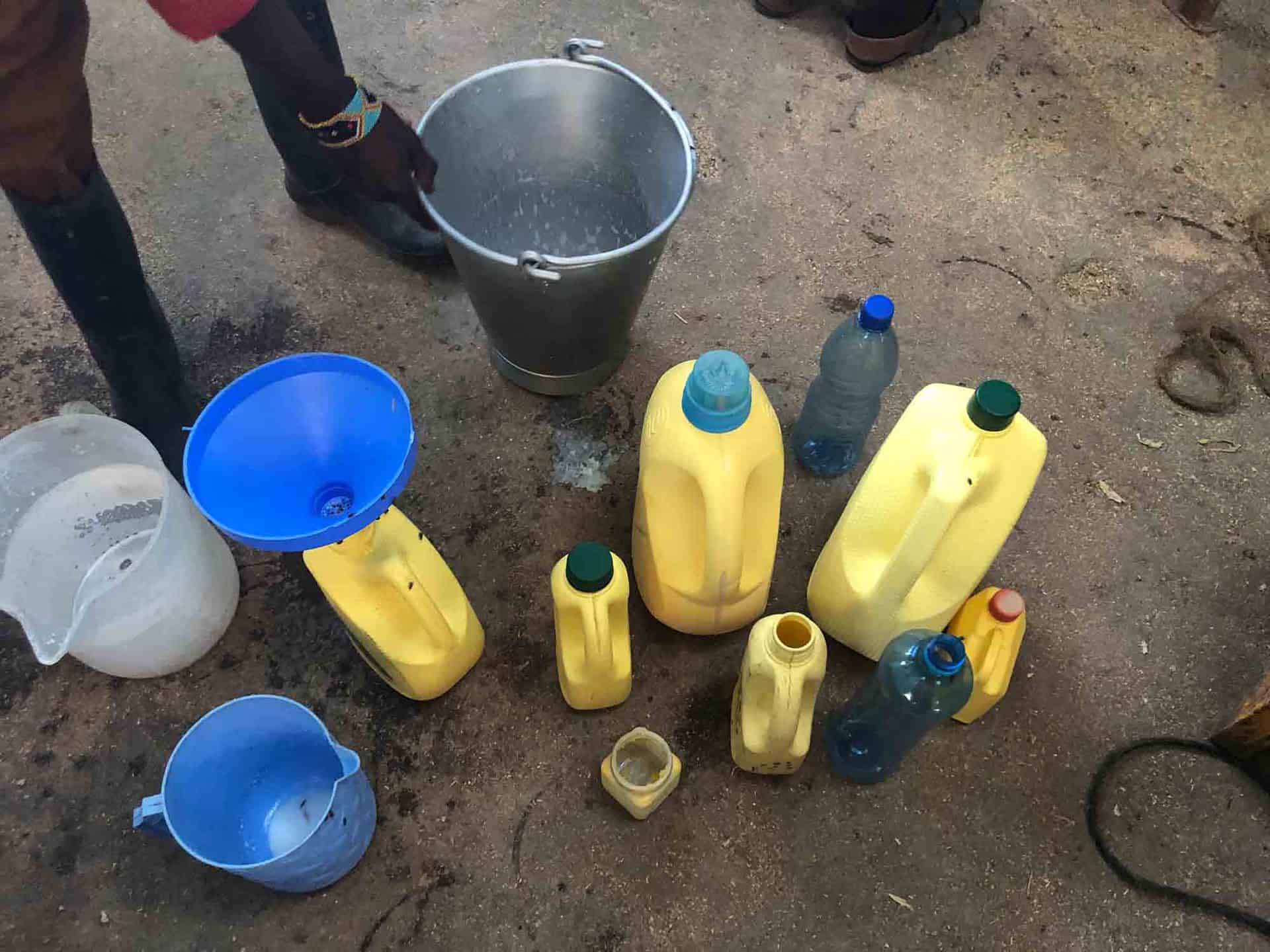
We got there just in time for the evening milking at 5pm. We were very surprised to find a queue of people already there, all with their own plastic containers to buy fresh milk. The plastic containers somehow reminded us of detergent containers. People queued up dutifully and waited patiently for their turn.
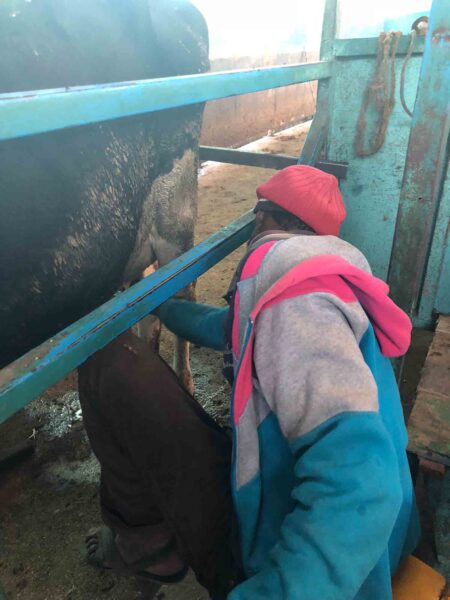
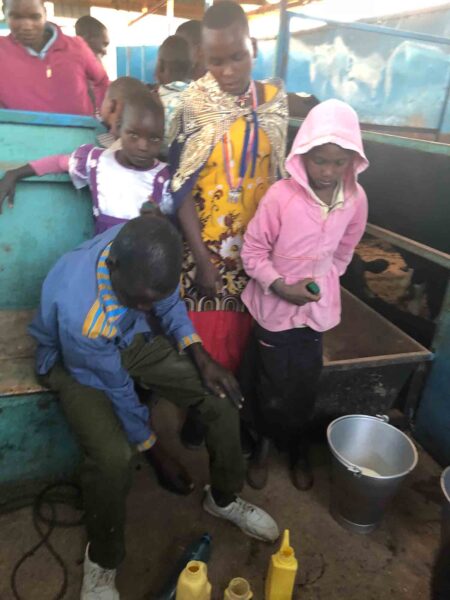
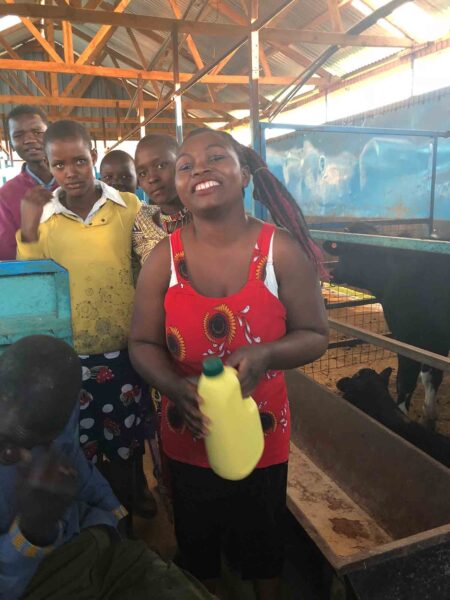
John Sawa Tuwei is responsible for the farm and looks after the remaining 6 men and 3 women who work permanently on the farm. The men look after the cows, i.e. their care, feeding and milking, as well as selling the milk. In addition, they cultivate the fields and the greenhouses – where they are actively supported by Antonio, a local employee of La Nostra Africa. The three women take care of the henhouse and sell the eggs.
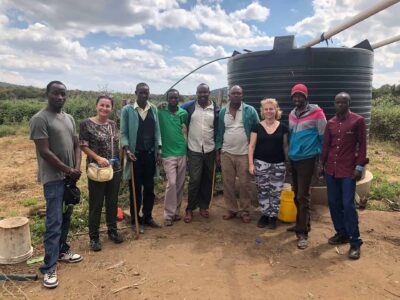

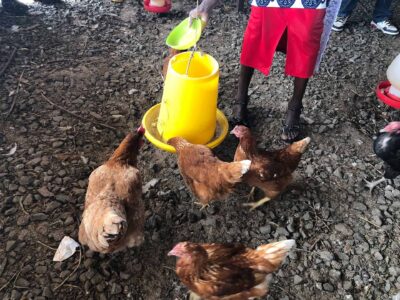
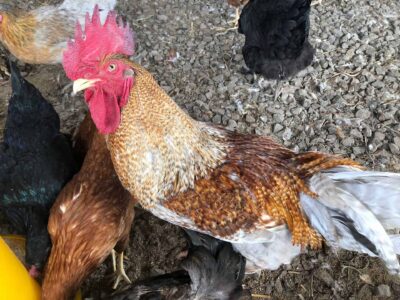
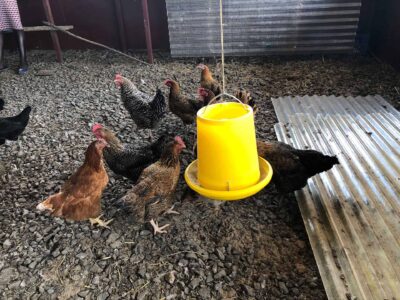
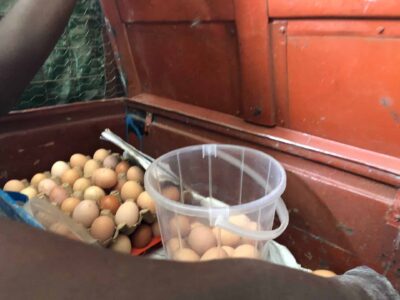
The mood in Olpirikata is generally very good. Thanks to the borehole project, Olpirikata was not affected by last year’s drought, as there is enough water for the village, both for the people and the animals, thanks to the borehole. The fact that milk can now be bought at any time seems like a miracle to the people. Children can be seen happily waving their milk cans in the street and the local store owner has been able to expand her business by opening a small bar selling chai (heavily sweetened tea with hot milk) – she has become the Starbuck’s of Olpirikata, so to speak.
For the first time, we stayed overnight in Olpirikata itself, in a part of the Masai Mama Africa Center. The supply situation there is very good, as we were treated to excellent meals with tomatoes, eggs and milk from the farm. Giorgio also wants to teach the Masai how to make cheese. He has therefore brought a rennet ferment from Italy to make a first attempt with the local milk. After mixing the milk with the rennet ferment, the whole thing had to rest for 24 hours. Antonio then processed it into a cheese. We ate the result of this first experiment and were very pleasantly surprised.
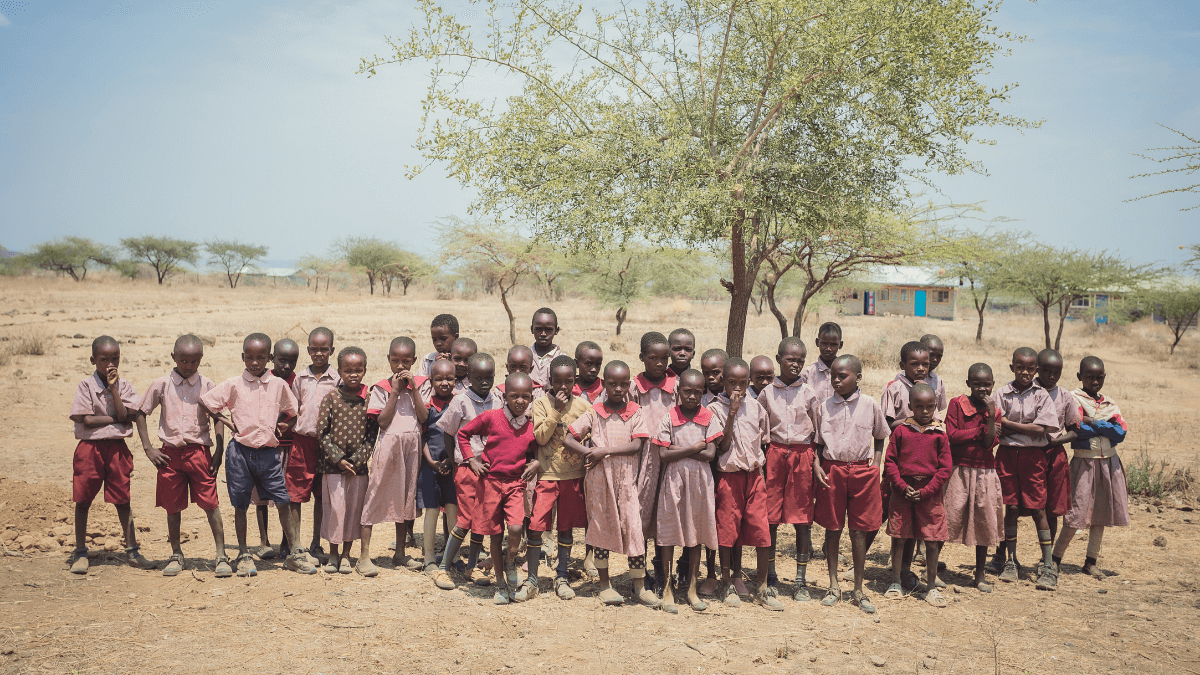
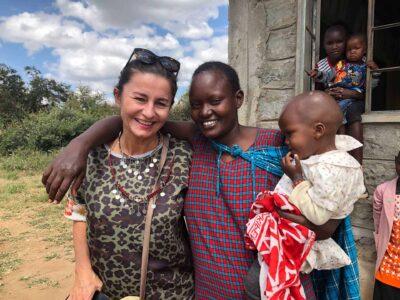
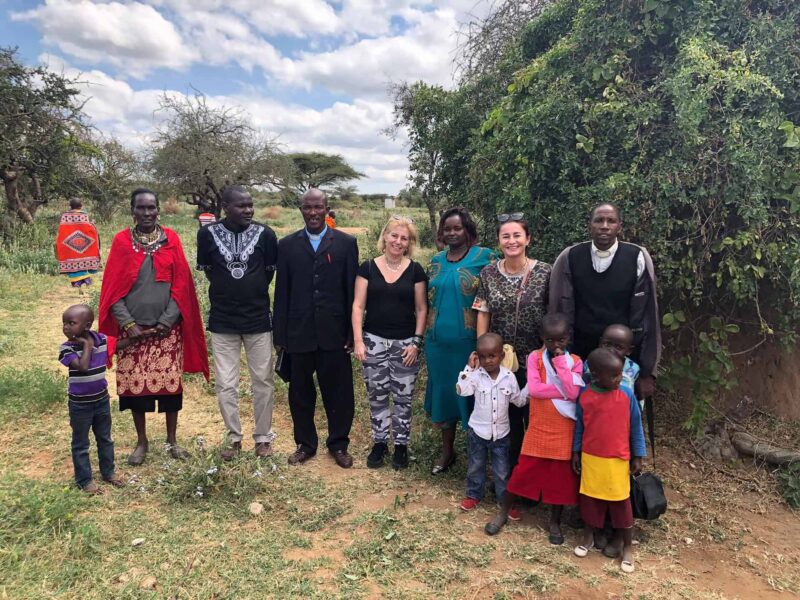
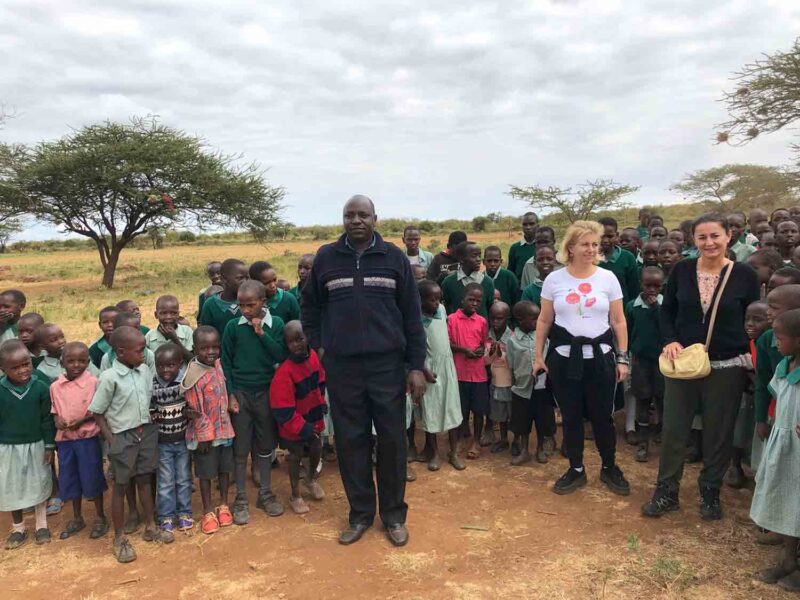
The next day, we went to Iloshion to attend the laying of the foundation stone for the construction of the Nasaru Learning Center for Maasai girls. Iloshion suffered greatly from the drought last year and the people there are a lot worse off than in Olpirikata. Despite this, there was an extremely friendly and warm welcome. The children formed a trellis through which we walked. It was very emotional!
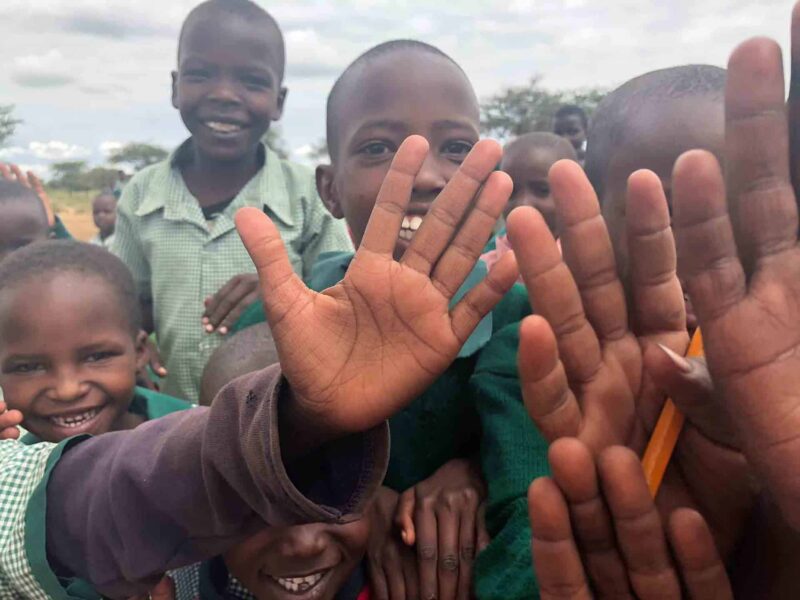
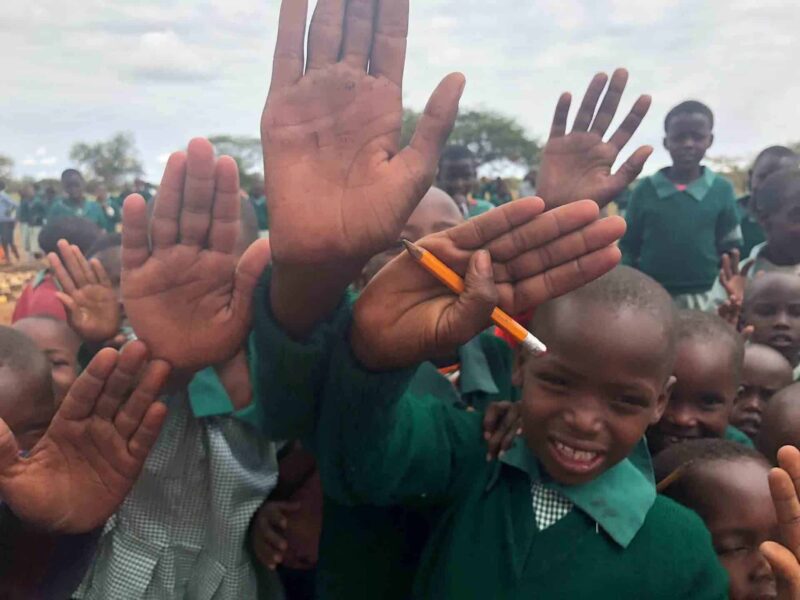
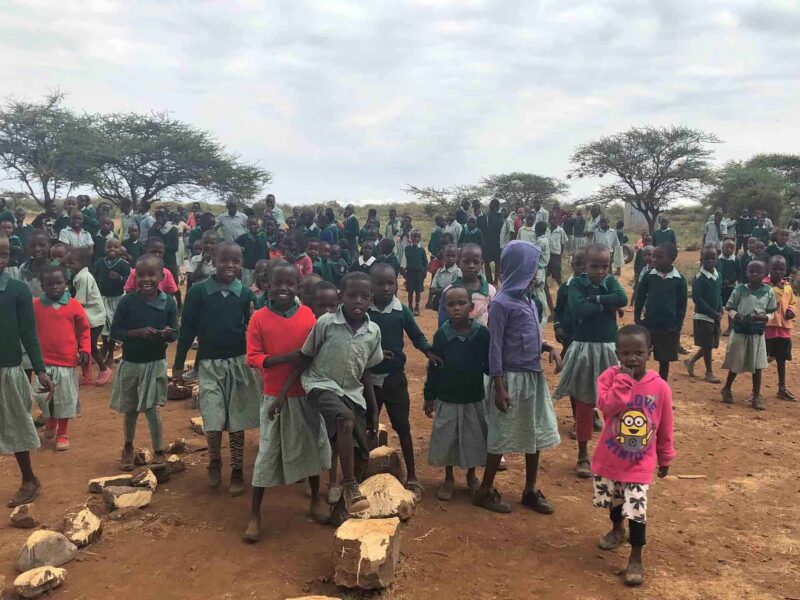
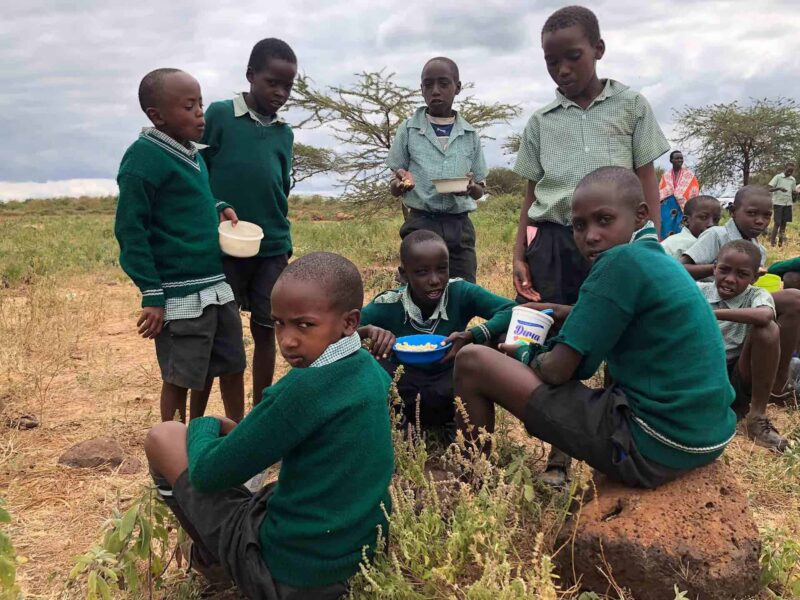
We then had the opportunity to observe the break at the local school:
All the children bring some milk from home in the morning. This milk is then put into a large pot in which porridge is prepared for the break. During the break, the children then queue up in front of this pot and get their portion.
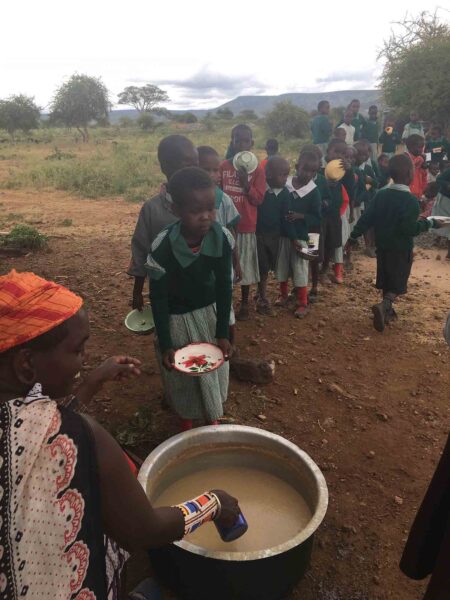
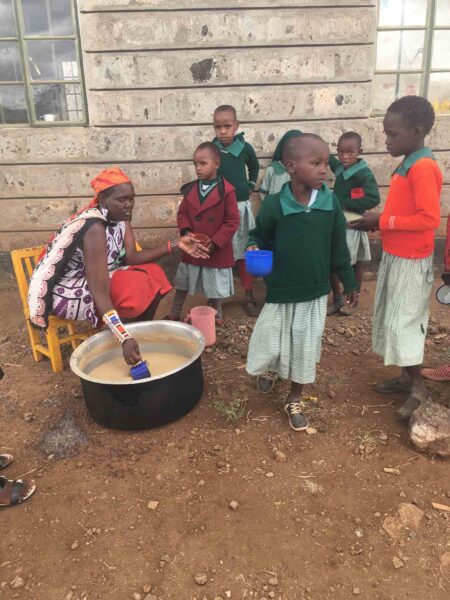

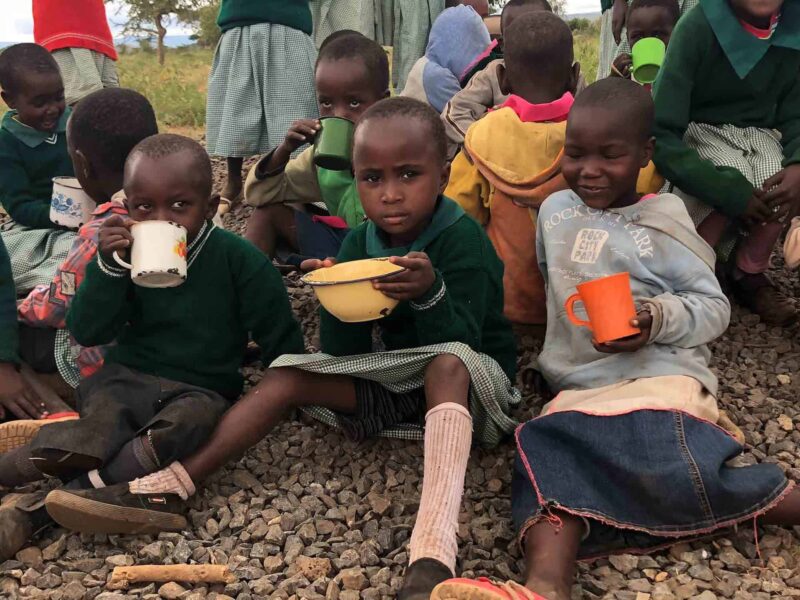
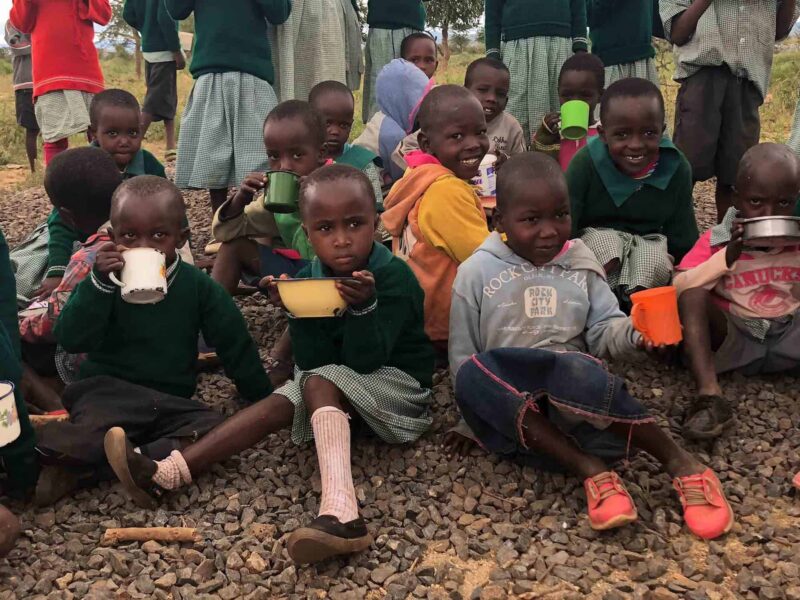
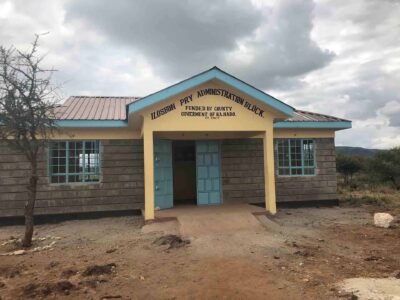
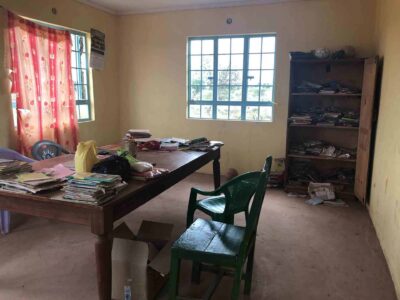
We then visited Iloshion’s new administration building and conducted numerous interviews with children and adults.

After a typical local ceremony with many speeches and gifts, everyone went together to the construction site for the Nasaru Learning Center.
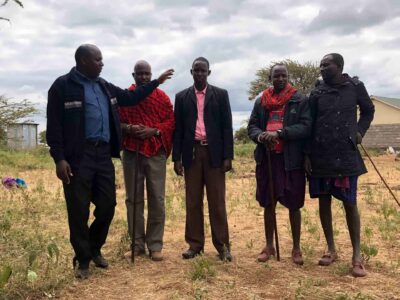
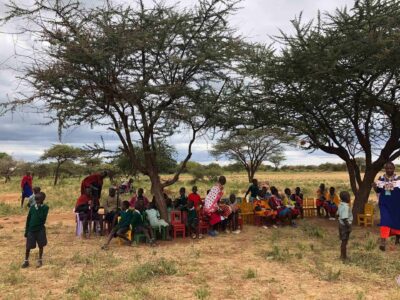
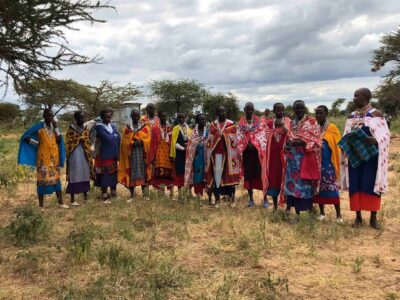
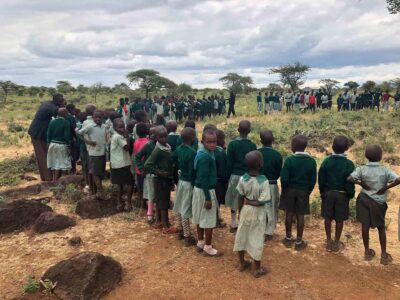

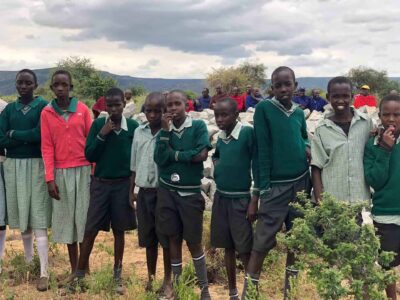


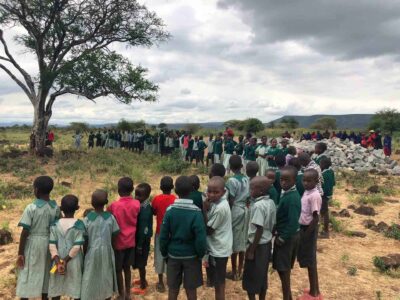
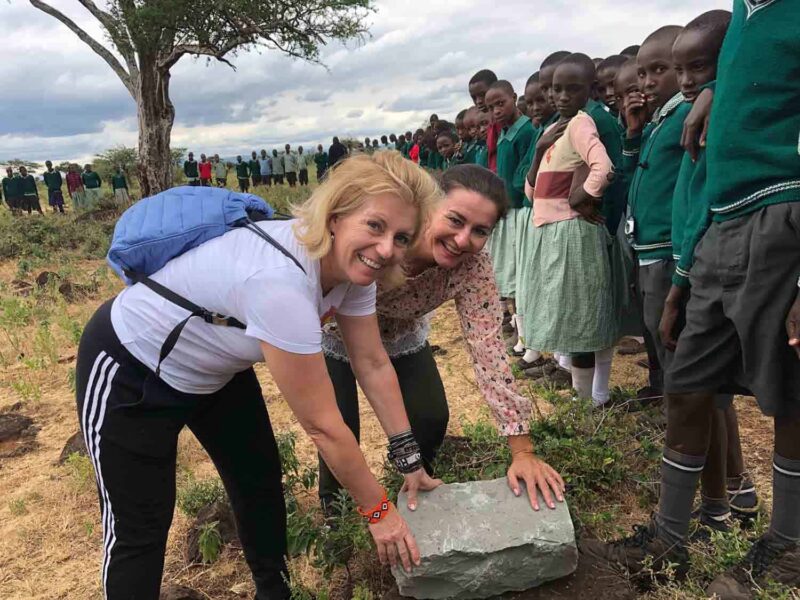
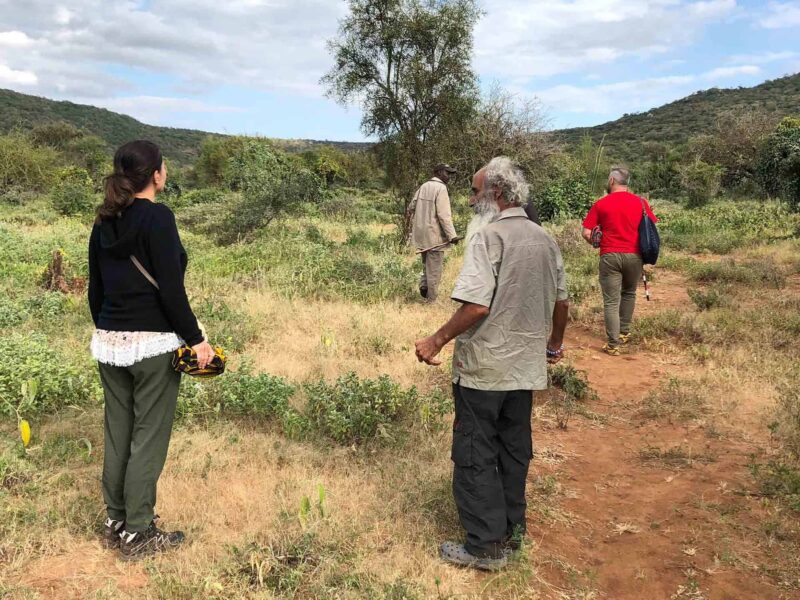
It was a very large group trudging through the savannah, as numerous parents of schoolchildren had also gathered for the celebration. The teachers asked the children to line up around the base of the future building. It was very impressive as you could really get a sense of the dimensions of the future building complex. We then symbolically laid the first stone and then handed out sweets to the children. It was a moving moment that we had all been looking forward to for a long time!
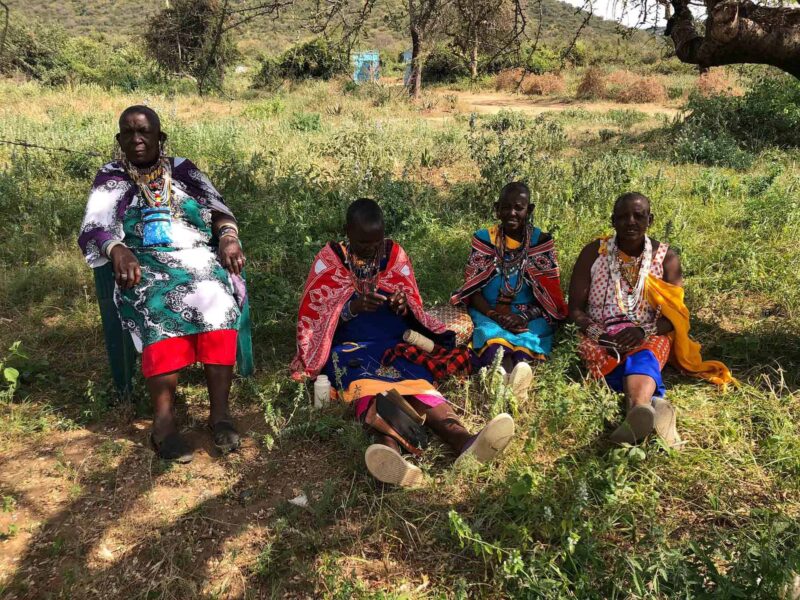
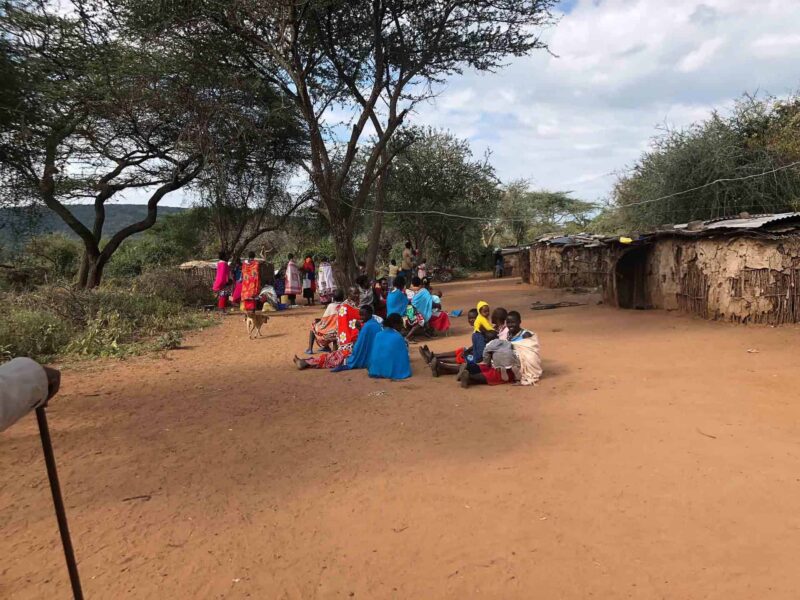
Our next stop was the boma of a family in Olpirikata, who had invited us to discuss a potential future project. The family would be willing to make land available for this project, which is still to be defined in more detail. Here, too, we received a very friendly welcome, even though we two women were treated with a little skepticism.
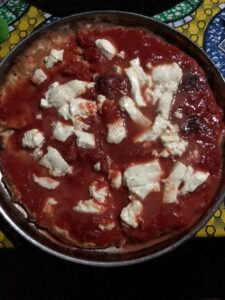
In the evening we had a pizza made by Antonio with homemade cheese and tomatoes from the farm! As we were afraid of possible bacteria, we washed it down with some gin to be on the safe side – you never know! Going to the toilet at night turned out to be an adventure that certainly strengthened the friendship between Manu and Susi. After all, these are shared experiences that you never forget and that bond you together. In general, various bodily functions are always very exciting topics on such trips.
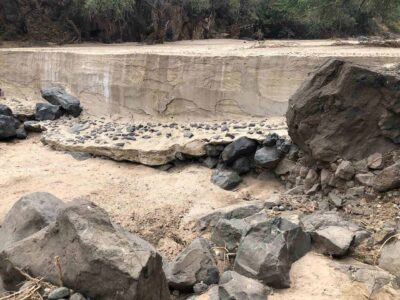
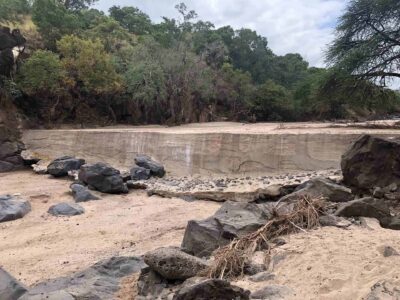
Next on the agenda was a visit to Singiraine. This is a community with around 2,000 inhabitants that has no water, although the riverbed runs right next to the community. Unfortunately, this proves that the opposite of “good” is “well-intentioned”. A kind of dam was actually built here by an NGO, but the project was not fully completed and so the people still have no water. The people of Singiraine, i.e. the women of Singiraine, have to walk 10 km and more to fetch water! Giorgio from La Nostra Africa is working with an Italian university to find out exactly what needs to be done and how much it would cost to build a dam here.


After a long and tiring drive to Nairobi, we then went in search of the area where furniture is sold to get some inspiration for our next project. More on this project soon…. This brought our short but very intensive visit to an end. We left Kenya full of new impressions and ideas and are sure that we will be back again!